
Essential Tools for Organic Gardening: Build a Greener, Smarter Toolkit

Chosen theme: Essential Tools for Organic Gardening. Welcome to a hands-in-the-soil guide that celebrates tools which nurture living soil, protect biodiversity, and make every task more joyful. From careful pruning to water-wise irrigation, we’ll highlight what to buy, how to use it well, and how to maintain it for years. If you love practical tips with a heart for the earth, subscribe and join the conversation today.

Start With the Core: Hand Tools You’ll Reach For Daily

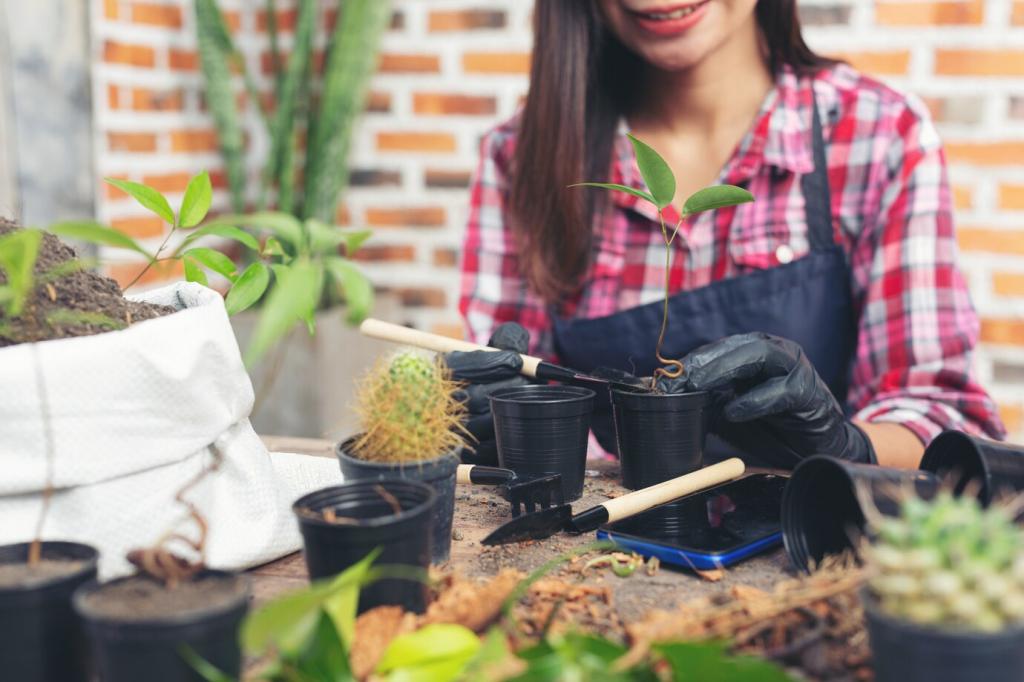
A sturdy trowel handles planting, transplanting, and small-scale digging, while a hori-hori knife slices roots, divides perennials, and gauges depth with built-in measurements. Choose tempered steel for longevity and wooden handles for comfort. Clean after each session to avoid disease spread and keep edges sharp for precise, soil-friendly cuts.

Start With the Core: Hand Tools You’ll Reach For Daily

Bypass pruners make clean cuts that heal quickly, reducing entry points for pathogens and stress on fruiting or flowering wood. Prioritize a model that fits your hand, includes a secure latch, and offers replaceable blades. A quick swipe with a sharpening stone and a wipe of alcohol after sap-heavy cuts pays enormous plant-health dividends.

Soil Health Toolkit: Protect the Living Ecosystem Underfoot

A broadfork loosens compacted layers while preserving soil structure, worm tunnels, and fungal networks that tillers often destroy. Step, rock, and lift—never flip—to open channels for water and roots. With yearly use, drainage improves, weeds decline, and crops root deeper. Many gardeners recall their first broadfork pass as the moment their tired beds started breathing again.

Watering Wisdom: Deliver Moisture Precisely, Waste Nothing

Soaker hoses and drip lines deliver water slowly at root level, keeping foliage dry and disease pressure low. Use pressure regulators and timers for steady, repeatable schedules. Mulch above lines to reduce evaporation and moderate soil temperature. Once installed, you’ll notice steadier growth, fewer fungal issues, and happier mornings free from frantic hose wrangling.

Watering Wisdom: Deliver Moisture Precisely, Waste Nothing

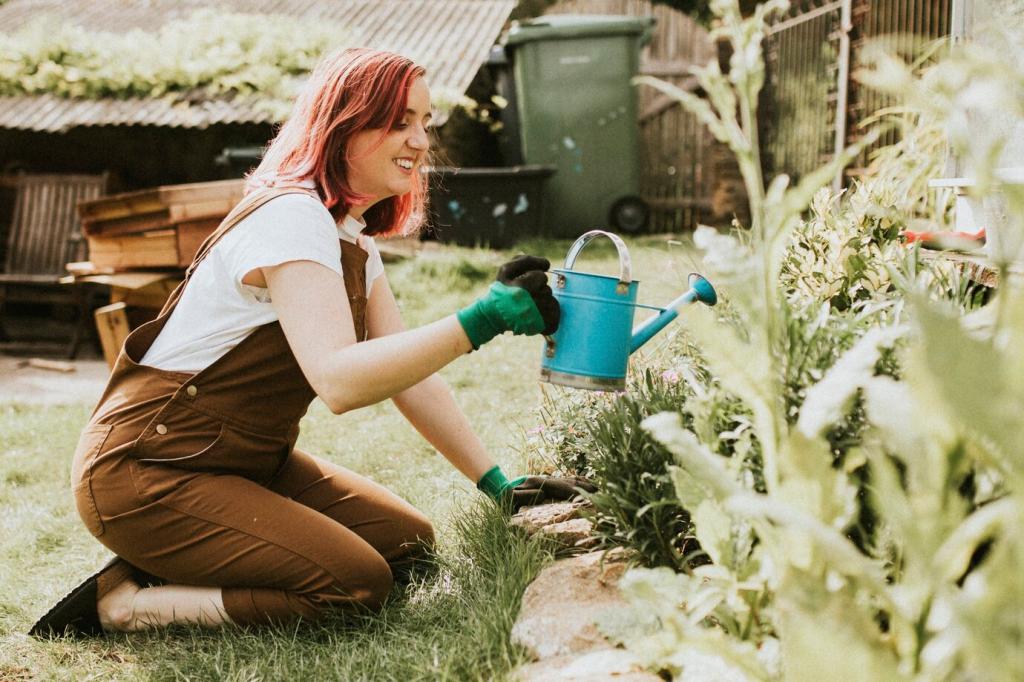
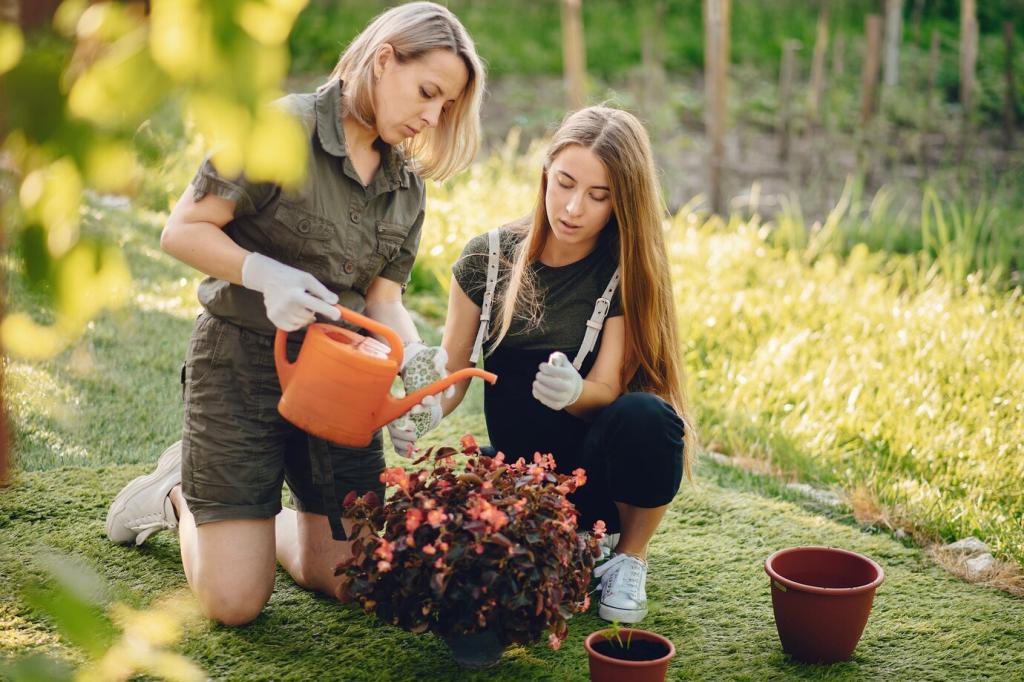
For seedlings and transplants, a watering can with a fine rose offers gentle, even coverage that prevents runoff and compaction. Choose a balanced design that pours smoothly when full and half-full. Keep a dedicated can for compost teas to avoid cross-contamination. Share your favorite sprinkle pattern for delicate starts and hardening-off routines.

Organic Pest and Weed Management: Barriers, Traps, and Helpers

Row Covers and Insect Netting

Lightweight row covers and fine insect netting block moths, beetles, and aphids while buffering wind and sun. Use hoops for airflow; seal edges with soil or clips to deny entry. Remove during bloom for pollination, then replace before egg-laying cycles resume. The day you harvest hole-free brassicas is the day these fabrics become non-negotiable tools.

Stirrup Hoe and Flame Weeder

A stirrup hoe skims just under the surface to sever young weeds with minimal soil disturbance, preserving microbial life. For paths or stale seedbeds, a flame weeder provides targeted, chemical-free control. Use it responsibly on dry, calm days and always keep water nearby. Combined, these tools shift weeding from frustration to a quick, satisfying sweep.

Beneficial Insect Housing and Targeted Traps

Bee hotels, ladybug shelters, and flowering strips invite allies that patrol pests naturally. Pair them with targeted traps—like yellow sticky cards in greenhouses—to monitor outbreaks early. Record catches weekly and respond with barriers, not broad-spectrum sprays. Readers often share that one season of habitat building dramatically reduces future problem cycles.

Harvest and Aftercare: Gentle Tools for Peak Flavor

A razor-sharp harvest knife or micro-tip snips make clean cuts that reduce bruising and keep plants productive. Choose baskets or breathable totes that cradle tender greens. Keep a small cloth to wipe blades between crops. The difference in salad quality after switching to sharp, purpose-built tools feels like moving from ordinary to farmers’ market fresh.

Harvest and Aftercare: Gentle Tools for Peak Flavor

Drape harvested produce with shade cloth in the field to remove heat and slow wilting. Use cool, ventilated areas and avoid stacking delicate items. A simple insulated box with ice packs extends freshness during hot afternoons. Many gardeners discover that five degrees cooler at harvest translates to two days more in the fridge.
Maintenance and Storage: Keep Tools Working for Years

A dual-grit stone and a simple file restore cutting edges on pruners, hoes, and knives. Use angle guides until muscle memory develops, and finish with a few light strops for refinement. It’s meditative work that rewards you every time a blade glides through stems instead of crushing them. Safer, cleaner cuts start on the sharpening bench.

Maintenance and Storage: Keep Tools Working for Years

Wipe metal with light, plant-based oil and store digging tools in a bucket filled with oiled sand to clean and protect edges. Linseed oil refreshes wooden handles, preventing cracks. Small habits—like hanging tools dry—save money and landfill space. Tell us your favorite rust-proofing trick and help fellow gardeners extend their gear’s life.
Sheilakimani
Privacy Overview

This website uses cookies so that we can provide you with the best user experience possible. Cookie information is stored in your browser and performs functions such as recognising you when you return to our website and helping our team to understand which sections of the website you find most interesting and useful.