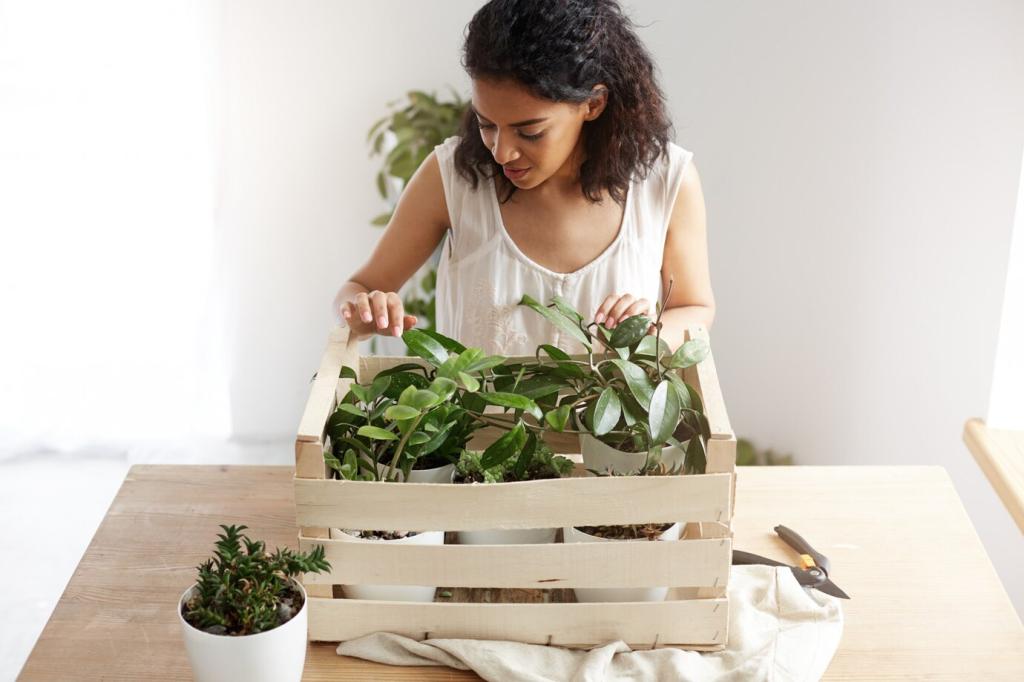
Start Your Journey: Introduction to Organic Gardening

Selected theme: Introduction to Organic Gardening. Step into a living, breathing garden where soil thrives, wildlife helps, and your harvest tastes like sunshine. Join us, ask questions, and subscribe for simple, beginner-friendly guidance.

Think of soil as a bustling city of microbes, fungi, and earthworms. When we feed that community with compost and mulch, plants grow resiliently, flavors deepen, and the garden starts to almost care for itself.

What Organic Gardening Means and Why It Matters

Healthy Soil Fundamentals for Beginners

A few shovels of mature compost add life, nutrients, and sponge-like texture. Mix lightly into the top layer, then let worms and roots do the rest. Start small, repeat often, and celebrate steady, quiet improvement.

Healthy Soil Fundamentals for Beginners

Mulch—straw, leaves, or wood chips—protects soil like a cozy blanket. It reduces evaporation, discourages weeds, and feeds microbes as it breaks down. Keep mulch off stems, renew seasonally, and watch your watering needs drop significantly.

Composting 101: Turning Scraps into Garden Gold

Combine greens like veggie scraps or coffee grounds with browns like dry leaves or shredded cardboard. Aim for a mix that feels like a wrung-out sponge. Too wet? Add browns. Too dry? Add greens and a splash of water.

Choosing Plants and Companion Planting

Start with varieties adapted to your region—natives or trusted heirlooms. They often need less water and fewer interventions. Read local seed catalogs, ask neighbors, and choose a small selection you can learn from season by season.

Choosing Plants and Companion Planting

Try basil with tomatoes for aroma and pest support, or marigolds near beans to discourage nematodes. Mix shallow and deep rooters to share space. Share your favorite pairings, and we’ll feature community-tested combinations next week.
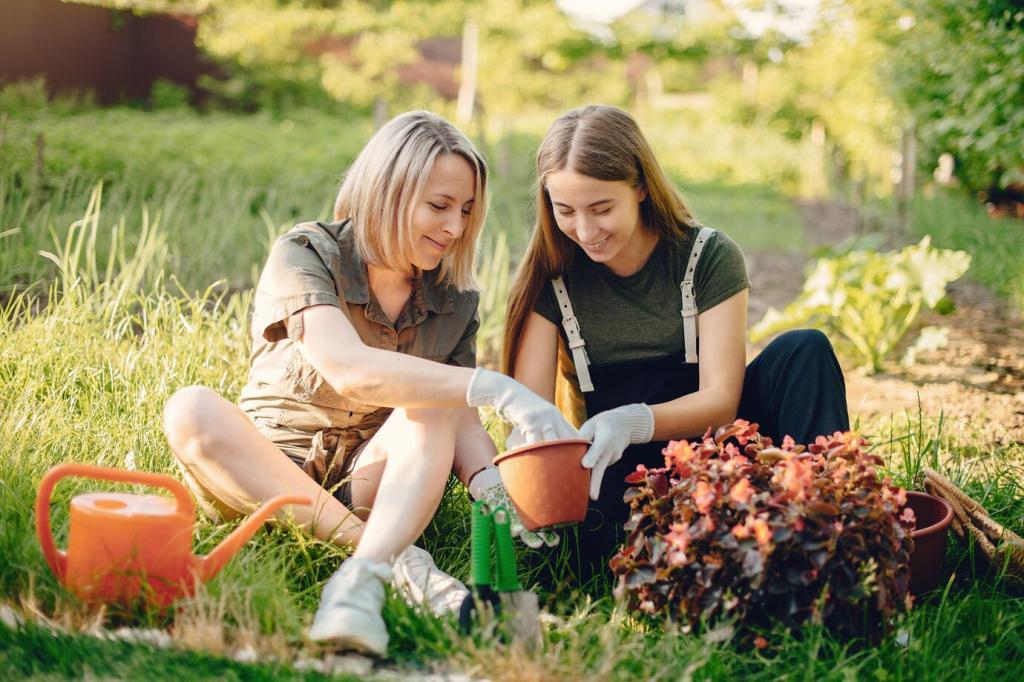
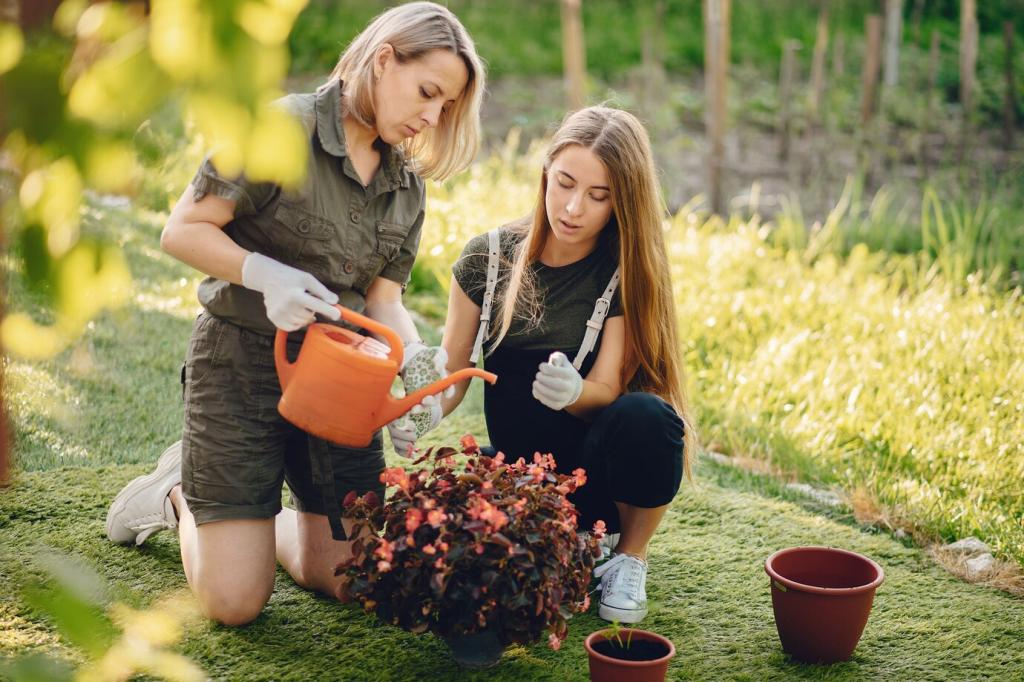
Organic Pest and Disease Care

Lady beetles, lacewings, and parasitic wasps love diverse flowers and refuge. Add dill, yarrow, and alyssum to invite them in. Avoid broad-spectrum sprays that harm allies. A balanced garden lets predators handle small pest flare-ups naturally.

Organic Pest and Disease Care

Floating row covers shield seedlings from early pests. Handpicking, beer traps for slugs, and sticky cards all help. Planting earlier or later can dodge peak pest waves. Share what’s nibbling your greens for tailored, gentle strategies.

Seasonal Planning and Crop Rotation

Sketch your plot with bed names, sunlight notes, and access paths. Mark where heavy feeders like tomatoes go, and leave room for composting areas. Clear maps make organic practices easier, especially when life gets busy midseason.

Seasonal Planning and Crop Rotation

Sow lettuce every two weeks, follow peas with bush beans, and tuck radishes between slower crops. Small, regular plantings reduce overwhelm and keep plates full. Share your schedule, and we’ll suggest gentle adjustments for your climate.

Community, Learning, and Your Next Steps

Record sowing dates, weather quirks, pest sightings, and harvest weights. Patterns emerge quickly and guide better choices next season. Snap a photo of your first page and share for encouragement and friendly suggestions from fellow beginners.
Sheilakimani
Privacy Overview

This website uses cookies so that we can provide you with the best user experience possible. Cookie information is stored in your browser and performs functions such as recognising you when you return to our website and helping our team to understand which sections of the website you find most interesting and useful.